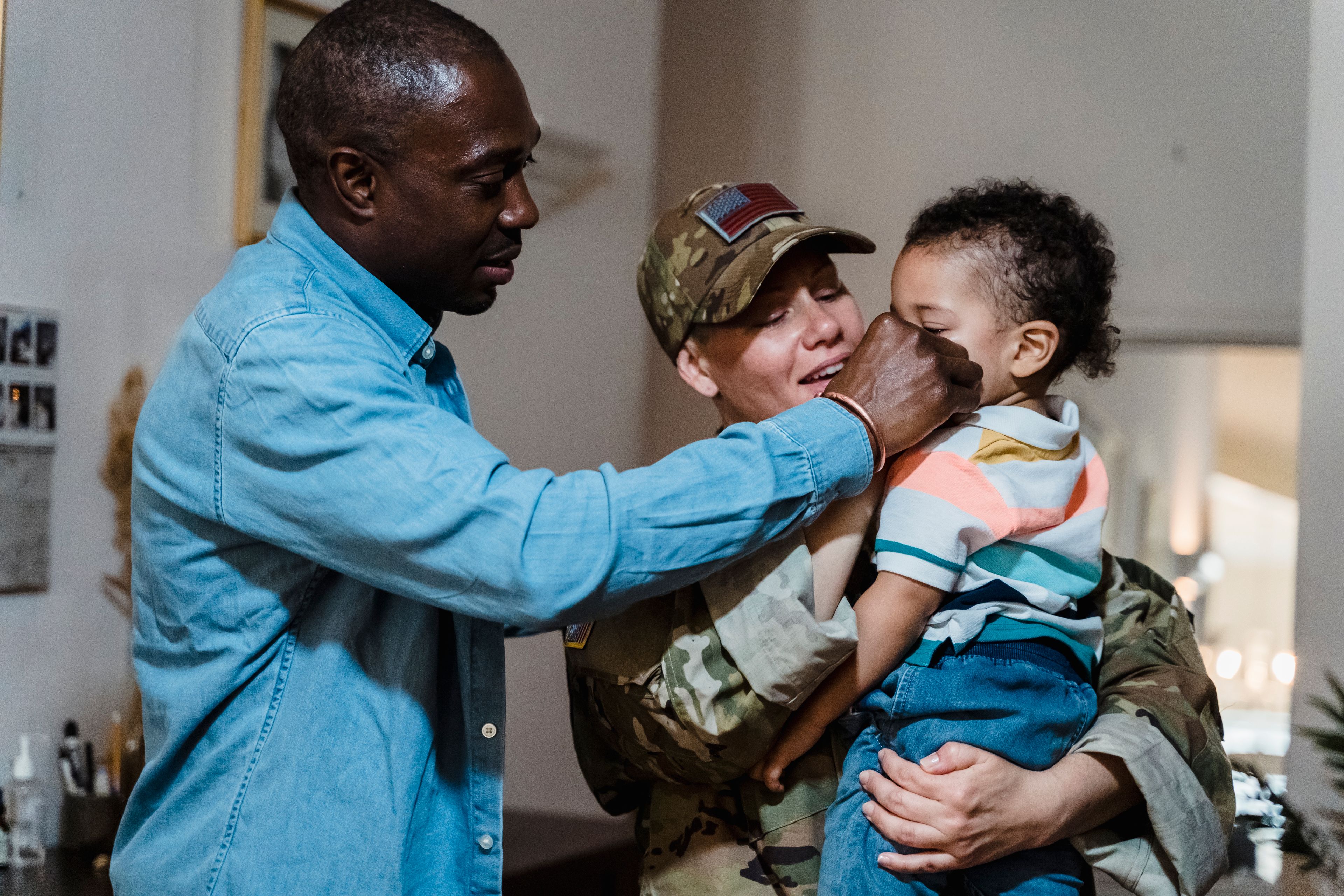
Families often see the warning signs first
SUAS helps trusted contacts support veterans with consent-based alerts — limited, respectful, and never a substitute for professional care.
Clarity when the veteran chooses to share
You may notice sleep changes, withdrawal, or stress — but not know what to do. SUAS guides supportive action without turning you into a case manager.
Warning signs, not secrets
When enabled, summary-level updates help you respond early — without accessing full clinical records.
Consent-based alerts
Notifications follow the alert levels the veteran set. You will not be flooded without permission.
Guided supportive action
Focus on steady presence, listening, and connecting to resources — not fixing everything at once.
Respectful boundaries
Trusted contacts cannot see everything. Visibility is defined by the veteran, per person.
How trusted contacts participate
You are part of the circle — not the coordinator of care. SUAS respects what veterans choose to share, and keeps consent in their hands at every step.
Veteran invites
Family member added to the circle.
Sets visibility
Summary only · no full journal.
Chooses threshold
Alert at yellow or above.
Can pause anytime
Consent stays revocable.

Three things that genuinely help
You don't have to have the answers. Most support comes down to presence, listening, and connection — and SUAS helps you know when to lean in.

Be present
Show up consistently. A short check-in or a shared meal says more than advice. You don't need the right words — you need to stay.

Listen first
Ask open questions and let answers breathe. Reflect back what you hear instead of rushing to solve. Listening is the support.

Keep the circle warm
Isolation grows in silence. Help keep your veteran connected to the people and routines that matter — gently, without pressure.
Reach out about a veteran you love
Tell us a little about your situation and how you'd like to be involved. A SUAS team member will follow up. This form is for coordination and questions — not emergencies.